The Intelligent Edge: Top AI Tools Revolutionizing Digital Marketing

The digital marketing landscape is in a perpetual state of evolution, but the current wave of change driven by Artificial Intelligence is arguably one of the most transformative. AI is no longer a futuristic promise but a tangible suite of powerful tools actively reshaping how marketers strategize, create, execute, and analyze campaigns. From hyper-personalized content creation to sophisticated data analytics and automated campaign management, AI is providing an "intelligent edge" to businesses of all sizes. This revolution isn't about replacing human marketers; rather, it's about augmenting their capabilities, automating tedious tasks, and unlocking new levels of efficiency and insight, allowing teams to focus on high-level strategy and genuine human connection.
AI in Content Creation: Augmenting Creativity and Scale
Content remains king in digital marketing, and AI is providing powerful new tools for its kingdom. AI-powered writing assistants like Jasper, Copy.ai, Writesonic, and even advanced LLMs like ChatGPT are adept at drafting various forms of marketing copy. This includes initial blog post outlines, social media updates, email marketing sequences, product descriptions, and compelling ad headlines. While human oversight and editing are crucial for brand voice and factual accuracy, these tools can significantly accelerate the content creation process and help overcome writer's block. Effective "prompt engineering" – crafting clear and detailed instructions for the AI – is becoming a key skill for marketers.
Beyond text, AI image generation tools such as Midjourney, DALL-E 3 (often via ChatGPT Plus or Bing Image Creator), Adobe Firefly, and Google's Imagen are enabling marketers to create unique, custom visuals from simple text prompts. This opens up possibilities for bespoke ad creatives, unique blog headers, engaging social media visuals, and even conceptual art for campaigns, often at a fraction of the cost and time of traditional stock photography or custom graphic design. Ethical considerations around image ownership and style mimicry are important, and many platforms are working on responsible generation practices.
Hyper-Personalization at Scale: Speaking to Individuals
One of AI's most significant contributions to marketing is its ability to enable hyper-personalization at a scale previously unimaginable. AI algorithms can analyze vast amounts of customer data – including demographics, purchase history, browsing behavior, and engagement patterns – to understand individual preferences and predict future needs. This allows marketers to:
- Deliver Dynamic Website Content: Showcasing different offers, products, or messages to different visitor segments in real-time.
- Personalize Email Marketing: AI can optimize subject lines, tailor email content, suggest optimal send times for individual recipients, and automate complex nurturing sequences.
- Customize Product Recommendations: E-commerce platforms leverage AI to suggest products that individual shoppers are most likely to be interested in, significantly boosting cross-sell and upsell opportunities.
- Tailor Ad Messaging: AI can help create multiple ad variations and dynamically serve the most relevant version to different audience segments across various platforms.
Marketing Automation Gets Smarter with AI
Marketing automation platforms have long helped streamline repetitive tasks, but AI is infusing them with new levels of intelligence. AI can optimize entire customer journeys, predicting the next best action for each individual and triggering the most appropriate communication or offer. It can refine audience segmentation with far greater accuracy than manual rule-based systems, identifying nuanced micro-segments with unique needs. AI-powered chatbots, integrated into marketing automation workflows, can provide instant customer support, qualify leads through intelligent conversations, and nurture prospects until they are sales-ready, 24/7.
AI-Powered Advertising: Precision Targeting and Optimized Bids
Digital advertising platforms like Google Ads and Meta (Facebook/Instagram) Ads have become heavily reliant on AI and machine learning. Google's Performance Max campaigns and Meta's Advantage+ suite are prime examples, where AI takes on much of the heavy lifting in terms of audience targeting, bid optimization, ad creative suggestions, and budget allocation across channels. These systems analyze real-time data from millions of signals to place ads where they are most likely to convert, aiming to maximize ROI and campaign efficiency. While this automation offers power, it also requires marketers to provide high-quality inputs (creative assets, conversion data) and to understand how to guide the AI effectively.
The Analytical Powerhouse: AI for Deeper Insights
Data is the lifeblood of modern marketing, and AI is the key to unlocking its deepest insights. Platforms like Google Analytics 4 (GA4) incorporate AI to provide predictive analytics (e.g., forecasting churn probability or purchase likelihood), identify anomalies in data that might signal an issue or opportunity, and help marketers understand complex user behavior patterns. AI-powered sentiment analysis tools can scan social media, reviews, and news articles to gauge public perception of a brand, product, or campaign in real-time. Furthermore, AI tools can automate competitive analysis, tracking competitor strategies, ad spend, and market positioning, providing invaluable intelligence for strategic planning.
AI for SEO: Uncovering Opportunities and Optimizing Content
AI is also making its mark in Search Engine Optimization. Tools like SurferSEO, MarketMuse, and Clearscope use AI to analyze top-ranking content for target keywords, providing data-driven recommendations on how to structure articles, what topics to cover, and which related terms to include for better search visibility. AI can also assist in technical SEO audits, identifying site issues that could impact search performance, and even help in generating meta descriptions or suggesting internal linking strategies.
Navigating the Ethical Use of AI in Marketing
As AI marketing tools become more powerful, ethical considerations become paramount. Transparency about data usage and AI's role in decision-making is crucial for building consumer trust. Marketers must be mindful of data privacy regulations (like GDPR, CCPA) and avoid creating filter bubbles or using AI in ways that could be perceived as manipulative or discriminatory. Ensuring that AI-generated content is clearly identified as such, where appropriate, can also contribute to responsible AI adoption. The goal is to use AI to enhance customer experiences, not to exploit or deceive.
The Future is Collaborative: Human Marketers + AI Tools
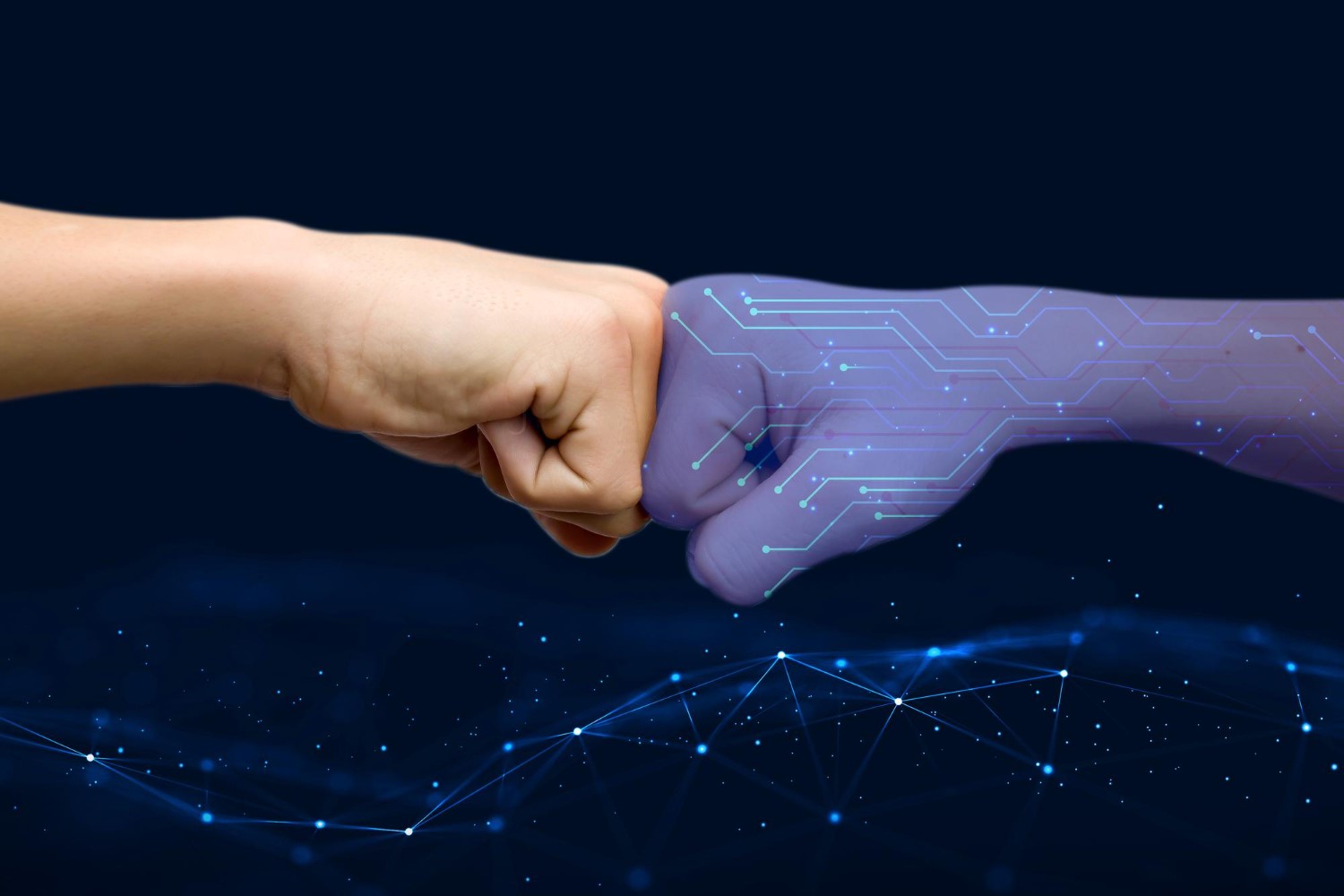
The future of digital marketing is not a contest between humans and AI, but a collaboration. AI tools will handle the repetitive, data-intensive tasks, freeing up human marketers to focus on strategic thinking, creative ideation, complex problem-solving, empathy, and building genuine customer relationships. Marketers will need to develop new skills, including prompt engineering, data interpretation, AI tool management, and ethical AI governance.
At Oyemarketor, we are embracing this AI-driven future by continuously exploring and integrating the latest AI marketing tools into our strategies. We believe that by combining human creativity and strategic insight with AI's analytical power and efficiency, we can deliver unparalleled results for our clients in Pune and beyond, helping them stay ahead in an increasingly intelligent and competitive digital world.
Tags:
Share this post:

Have Questions or Ideas Inspired by This Post?
We'd love to hear your thoughts or discuss how these insights can be applied to your projects. Reach out to our team for a personalized consultation.